Undergrowth Removal in Houston, TX
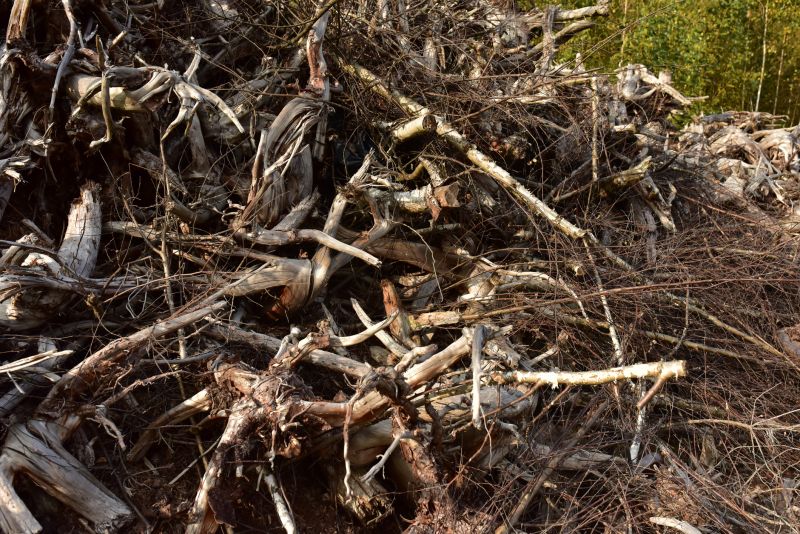
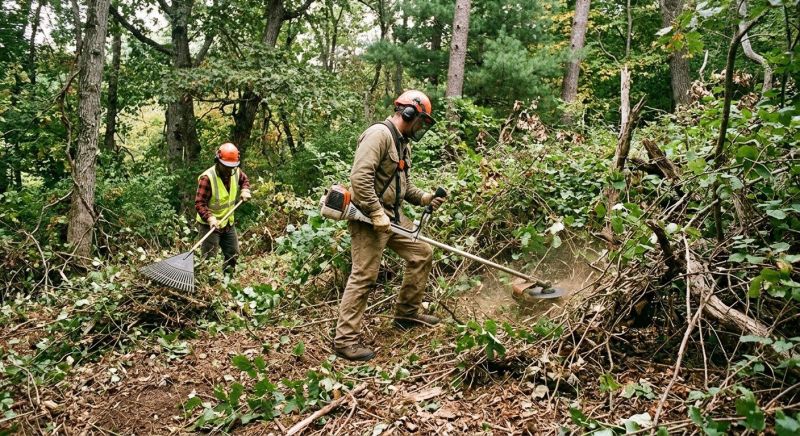
Undergrowth removal services focus on clearing dense, overgrown vegetation such as shrubs, brush, vines, and small trees that can encroach on a property’s landscape. This type of work is often requested for projects like preparing a yard for new landscaping, improving visibility and access around a home, or reducing fire hazards in dry or wooded areas. Property owners typically want to understand what types of vegetation can be removed, the extent of clearing needed, and how the process might impact the existing landscape or soil stability.
Before requesting undergrowth removal, homeowners should consider the size and density of the overgrowth, as well as any restrictions related to local regulations or property boundaries. It’s also helpful to determine whether the goal is to remove all vegetation or selectively clear certain areas, and to understand how the removal may affect drainage or nearby plants. Clarifying these details can ensure the project aligns with property maintenance goals and landscape plans.
Many property owners in Houston, TX look into Undergrowth Removal for repairs, replacements, upgrades, and appearance-related improvements.
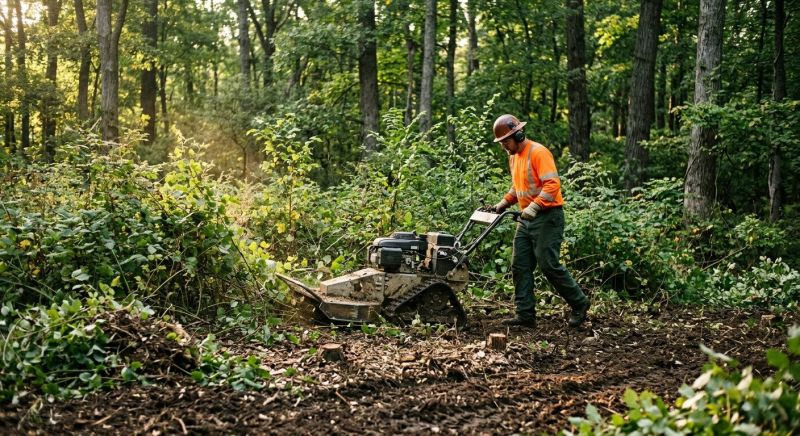
Clearance For Safety And Access
Removing undergrowth helps improve visibility and safe movement around your property.
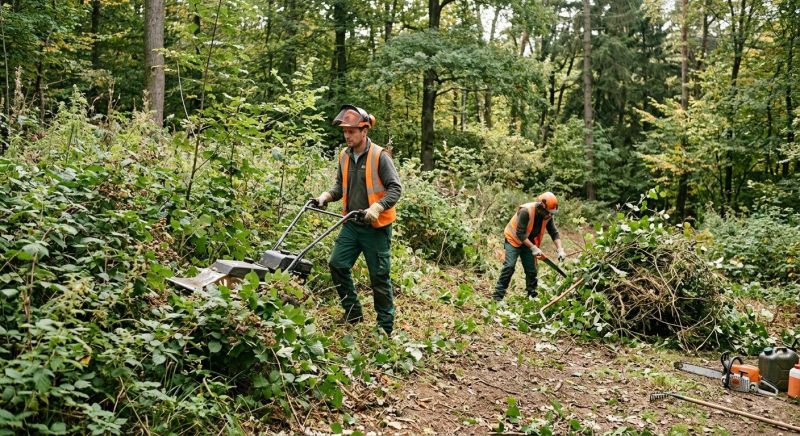
Enhance Curb Appeal
Proper undergrowth removal can make gardens and yards look more maintained and inviting.
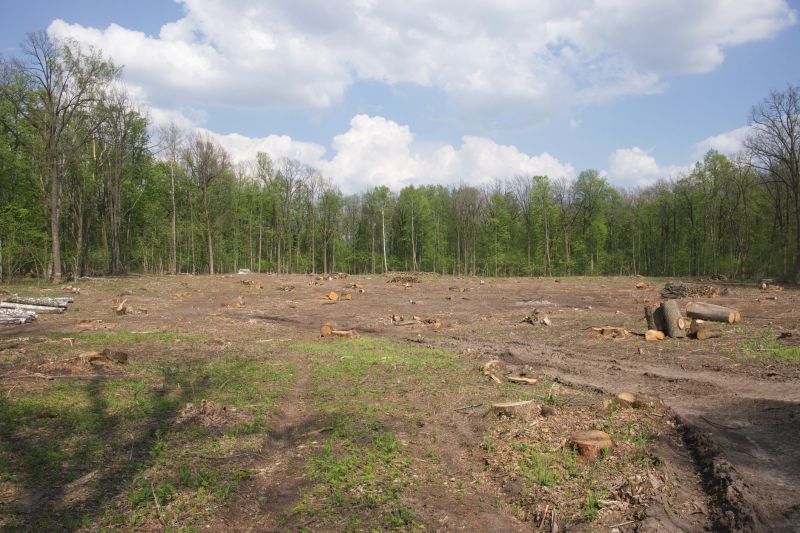
Prepare For Landscaping Projects
Clearing overgrown areas creates a clean slate for new planting or outdoor improvements in houston, tx.
Undergrowth Removal in Houston, TX

Undergrowth removal services focus on clearing dense, overgrown vegetation such as shrubs, brush, vines, and small trees that can encroach on a property’s landscape. This type of work is often requested for projects like preparing a yard for new landscaping, improving visibility and access around a home, or reducing fire hazards in dry or wooded areas. Property owners typically want to understand what types of vegetation can be removed, the extent of clearing needed, and how the process might impact the existing landscape or soil stability.
Before requesting undergrowth removal, homeowners should consider the size and density of the overgrowth, as well as any restrictions related to local regulations or property boundaries. It’s also helpful to determine whether the goal is to remove all vegetation or selectively clear certain areas, and to understand how the removal may affect drainage or nearby plants. Clarifying these details can ensure the project aligns with property maintenance goals and landscape plans.
Many property owners in Houston, TX look into Undergrowth Removal for repairs, replacements, upgrades, and appearance-related improvements.
Common Undergrowth Removal Jobs
Undergrowth Removal - Clearing overgrown vegetation to improve yard appearance and access.
Bush and Shrub Removal - Removing dense bushes and shrubs that obstruct views or pathways.
Weed and Brush Clearing - Eliminating invasive weeds and brush for a cleaner landscape.
Overgrown Tree Thinning - Trimming and removing excess undergrowth beneath trees.
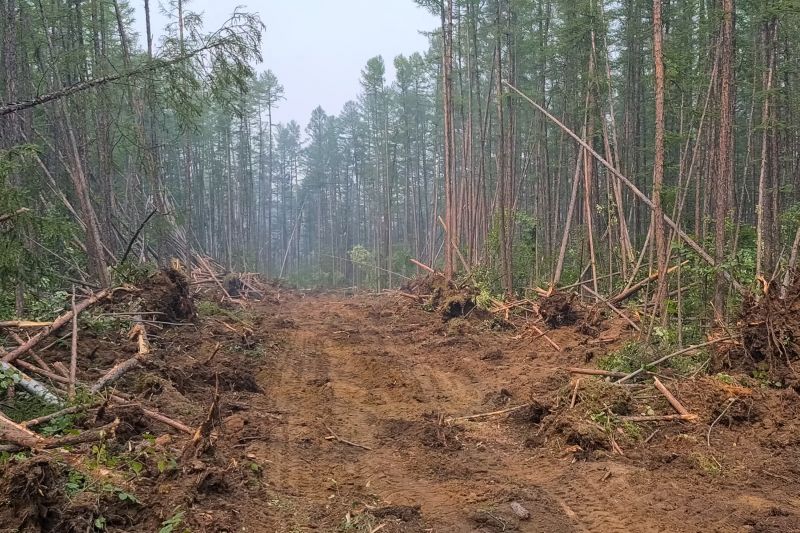
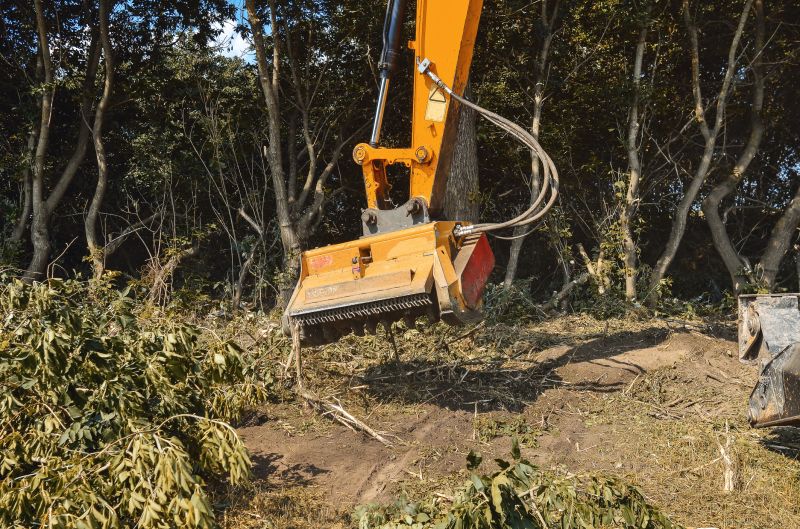
Lot Clearing - Preparing land for construction or landscaping by removing unwanted growth.
Emergency Undergrowth Removal - Quickly clearing overgrowth after storms or storm damage.
Undergrowth Removal Questions
What is undergrowth removal? Understory removal involves clearing shrubs, small trees, and dense vegetation to improve landscape appearance and health.
When is undergrowth removal needed? It is typically requested to reduce fire hazards, improve visibility, or prepare for landscaping projects.
What types of projects benefit from undergrowth removal? Property clearing, garden renovation, trail maintenance, and fire prevention are common projects that benefit from this service.
What should property owners know before scheduling removal? It’s important to consider the type of vegetation, property size, and desired outcome for effective planning.
Request Undergrowth Removal in Houston, TX
Use the quote form on this page to share the basics of your project and request more information for the type of work you need.